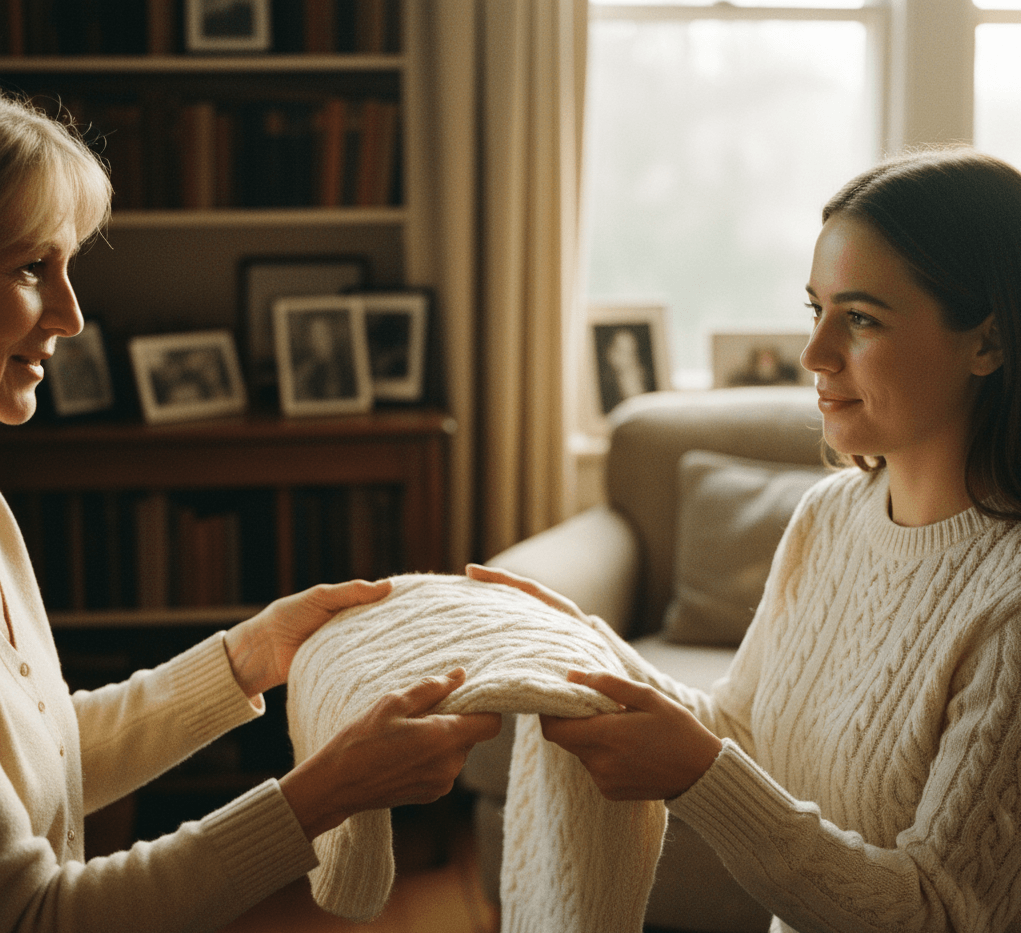
There is a particular magic held within a garment that has been truly lived in. It might be a sweater inherited from a parent, its fibers softened by years of wear, or a cardigan that has journeyed with you through changing seasons. These pieces are keepers of memory, silent companions to our story. In an age of relentless newness, we find ourselves yearning for this very feeling—the profound satisfaction of owning fewer, better things. This is the heart of building a heritage wardrobe.
This is not a pursuit of minimalism, but an act of intention. It is a gentle rebellion against the disposable, a commitment to choosing pieces that are crafted to evolve with you, gaining character over a lifetime. The most powerful foundation for such a wardrobe is a curated collection of exceptional knitwear. This definitive guide will teach you not just how to identify quality, but how to think like a curator, build your core collection, and care for your pieces to ensure they truly last forever.
Part 1: The Philosophy of “Fewer, Better Things”
Redefining Value: The Power of Cost Per Wear The first step in building a heritage wardrobe is to redefine value. The price tag tells only a fraction of the story. The true measure of an item’s worth is calculated over time in a simple but powerful metric: cost per wear.
Consider a cheaply made, trend-driven sweater for $50. If its poor construction means it pills and loses its shape after only five wears, its cost per wear is $10. Now, consider a beautifully crafted merino wool sweater for $400. If its superior quality and timeless design mean you wear it 200 times over the next decade, its cost per wear plummets to just $2. This simple math reveals a powerful truth: investing in quality is the most economically sound and sustainable choice. You are no longer just buying an item; you are making a down payment on years of future style and comfort.
Beyond Economics: The Sustainable and Psychological Benefits The “fewer, better things” philosophy extends beyond your wallet. It is a cornerstone of true sustainable fashion. By investing in a single, beautifully made piece instead of five disposable ones, you drastically reduce your consumption, waste, and environmental impact. Psychologically, this act of curation fosters a deeper connection to your belongings. When you know an item is made with integrity, you treat it with respect. This mindful ownership eliminates the anxiety of a cluttered, unfulfilling closet and replaces it with the quiet confidence that comes from being surrounded by pieces you truly love.
Part 2: The Curator’s Eye: How to Read a Garment Like an Expert
Learning to identify true quality is a skill that allows you to see beyond the surface. It’s about training your hands and eyes to recognize the signatures of superior craftsmanship.
The Language of Fiber: Merino, Cashmere, and the Importance of “Hand” The story begins with the raw material. A heritage knit should feel substantial and spring back gently when squeezed—a sign of resilience.
- Merino Wool: The versatile workhorse. High-grade merino has a long “staple length,” making it soft, durable, and less prone to pilling. It is breathable and has exceptional thermal properties.
- Cashmere: The ultimate in softness. While exquisitely luxurious, it is more delicate than merino. Look for a dense, 2-ply knit to ensure it isn’t flimsy.
- Alpaca: Known for its silky softness, lightweight warmth, and beautiful luster.
The Architecture of the Knit: Density and Tension Hold the sweater up to the light. A loose, flimsy knit you can easily see through is a sign of a garment that will quickly lose its shape. A heritage-quality piece, like our MEPG Heritage Cardigan, is made with a dense, consistent knit. This tension ensures the garment will drape beautifully and hold its silhouette for years.
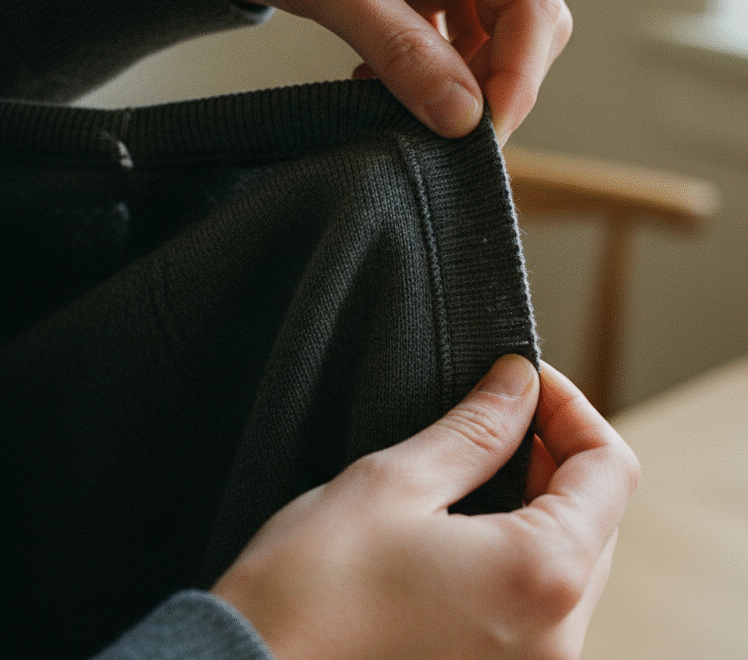
The Signatures of Craftsmanship: Seams and Finishes Turn the sweater inside out. Look for “fully fashioned” or “linked” seams, where the panels are knitted together rather than simply cut and sewn. This technique is more laborious but results in a cleaner finish, a better fit, and a far more durable garment. Check the ribbing on the cuffs and hem—it should feel robust and elastic, designed to hug the body gently without becoming slack.
Part 3: The Foundational Five: Your First Heritage Knitwear Investments
A heritage wardrobe is built piece by piece. Start with these five powerful, timeless archetypes.
- The Crewneck: The most versatile silhouette. It can be dressed up over a collared shirt or down with denim. Begin with a perfect Heritage Crewneck in a neutral shade like navy or grey.
- The Oversized Cardigan: This piece functions as modern outerwear, replacing a light jacket. Cinch it with a leather belt or drape it over a t-shirt.
- The Turtleneck: An architectural frame for the face. A fine-gauge turtleneck is the ultimate layering piece under blazers, while a chunkier version is a statement on its own.
- The V-Neck: The master of understated layering. It beautifully frames a collared shirt, a silk camisole, or can be worn on its own for a minimalist look.
- The Statement Knit: This is the soul of your collection—a piece chosen for its unique character. It could be a traditional Aran knit, a sweater in a bold color, or a piece with a unique silhouette.
Part 4: The Lifelong Commitment: The Rituals of Garment Care and Repair
A heritage piece is a lifelong relationship that requires care. This is how you preserve your investment.
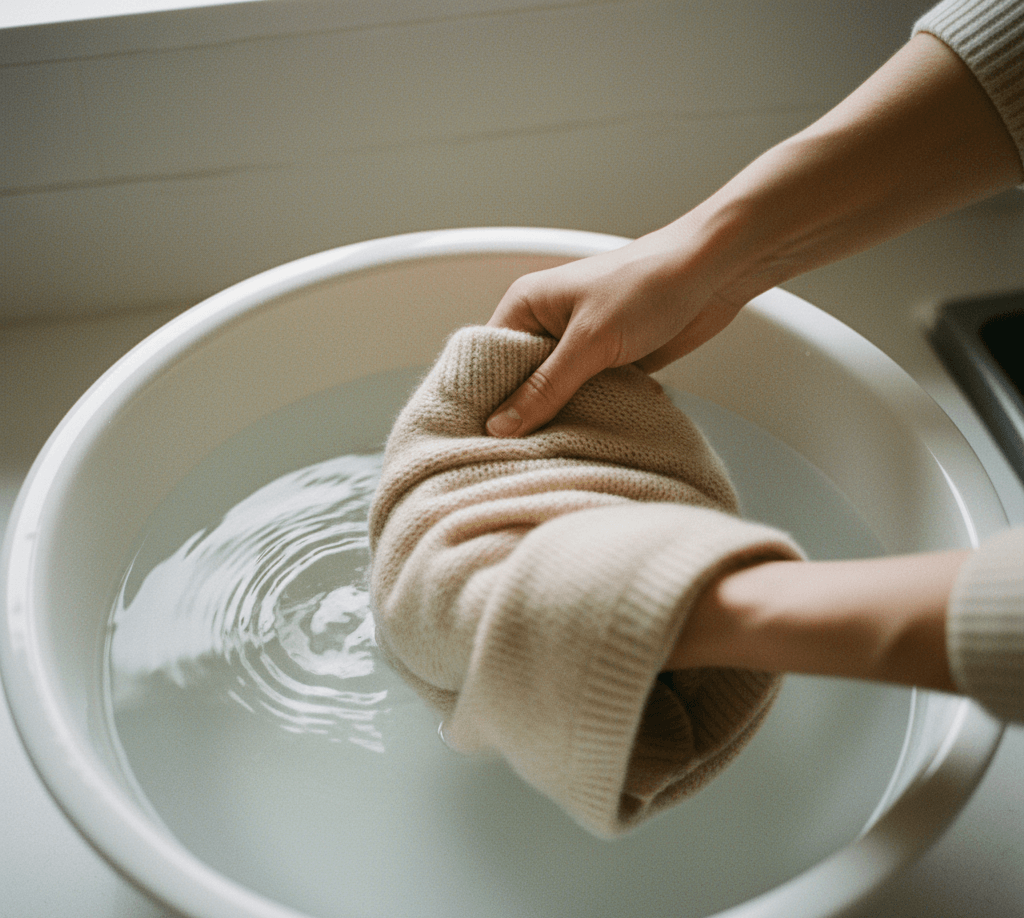
Wash Less, and with Care High-quality wool is naturally anti-bacterial and does not need frequent washing. When it is time, always hand wash cold with a wool-specific soap. Gently roll the sweater in a clean towel to absorb excess moisture; never wring it out.
Dry Flat, Always The weight of water will stretch a wet knit. Never hang a wet sweater. Always lay it flat on a drying rack away from direct heat, gently reshaping it as it dries.
Fold, Don’t Hang For storage, gravity is the enemy. Always fold your knitwear neatly on a shelf. Hanging will cause the shoulders to stretch and droop. For off-season storage, use a breathable cotton bag with cedar blocks to protect from moths.
The Art of the Mend: Embracing Repair A small snag or hole is not the end of a garment’s life; it is an opportunity to add character. Learning a simple darning stitch or finding a quality local tailor to repair your beloved knits is the ultimate act of commitment to a heritage wardrobe. A thoughtful repair is a mark of a well-loved companion.
Your Wardrobe, Your Legacy
Building a heritage wardrobe is a rewarding journey. It is a mindful process of curating a collection of pieces that not only look beautiful but feel meaningful. It’s a commitment to a philosophy built on the belief that the most cherished things in our lives are the ones that are made to last.
We invite you to discover the MEPG knitwear collection and find the foundational piece that will become a cherished part of your own personal history.